Check Engine Light On? What It Means and What to Do Next
The light tells you something is off. It doesn't tell you which part to buy.
October 14, 2026 · 4 min read
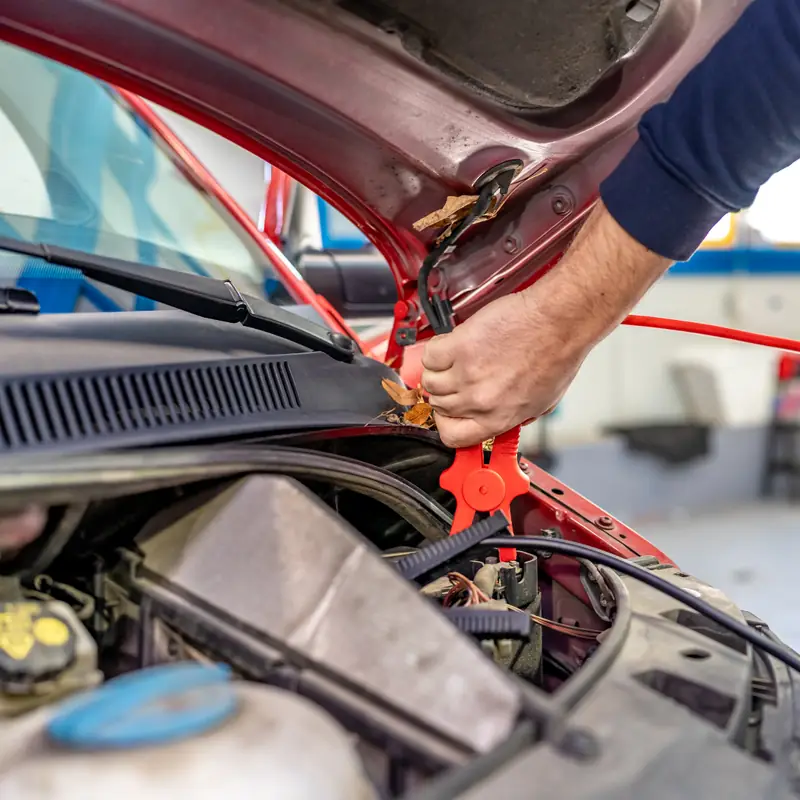
The check engine light is the most ignored light on the dash and the most misunderstood. People tape over it, wait for it to go away, or buy whatever part a forum thread blamed. Some of those lights are minor. Some are your engine telling you it's about to be a much bigger repair. The trick is knowing which kind you have, and the first clue is whether the light is steady or flashing.
Steady versus flashing
A steady light means the car's computer has noticed something outside normal range and stored a fault. You can usually keep driving to a shop, but don't treat it as permission to ignore it for months. A flashing light is different. It usually points to an active engine misfire, and a misfire can send raw fuel into the exhaust and overheat the catalytic converter, which is a much larger repair than whatever caused the misfire. If it's flashing, ease off, avoid hard acceleration and heavy loads, and get the car in as soon as you can. If it's flashing and the engine is shaking badly, pull over somewhere safe.
What the light can actually mean
The list is long, which is exactly why guessing goes wrong. The same light can come on for something simple or something serious.
- A loose or worn gas cap that lets fuel vapor escape
- An oxygen sensor reading wrong, which can hurt fuel mileage
- A misfire from worn spark plugs, a bad coil or a leaking injector
- A vacuum leak or cracked hose letting in air the engine isn't expecting
- A failing catalytic converter or exhaust problem
- A dirty or failing mass airflow sensor, which can cause rough running
- Transmission or emissions system faults that share the same lamp
Why a code isn't the same as a diagnosis
Plugging in a scanner pulls a trouble code, and that is where the work starts, not where it ends. A code points to a circuit or a system. It does not name the failed part. A lean code, for example, can come from a dirty sensor, a vacuum leak, a weak fuel pump or a clogged filter. An oxygen sensor code can be the sensor itself, or it can be the exhaust leak next to it fooling the sensor into a bad reading.
This is how people end up in what mechanics call the parts cannon: fire a new part at the code, see if the light goes away, fire another one. It's slow, it costs real money, and half the time the original problem is still there. The shop's own phrase for the better way is "Stop guessing, start fixing."
The scan is the beginning of the test
A solid diagnosis runs in a sequence. Scan the system and read the stored codes, including any pending ones. Look at the live data to see what the sensors are reporting while the engine runs. Then confirm with hands-on testing: checking wiring and connectors, testing a coil or injector, smoke testing for a vacuum leak, measuring fuel pressure, or listening to the engine to hear what the numbers can't tell you.
That last step is the one that separates a diagnosis from a guess. The data narrows it down. A person with tools and experience confirms it. When both agree, you can replace one part and be done, instead of replacing four and hoping.
That's the point of doing the testing first. El Mecanico Auto Repair describes its full diagnostic as running a system scan, reading the error codes and pinpointing the root cause, so you only pay for the repairs you actually need. One Google reviewer, Leanna Love, put it this way: "He's like a Doctor for your car." A good doctor doesn't prescribe before examining you, and a good shop doesn't sell parts before it knows what's wrong.
Quotes come after the assessment, once the shop knows what the car needs. If someone quotes you a big repair over the phone from a code number alone, ask what testing they did to confirm it.
What to do when the light comes on
- Check the gas cap. If it was loose, tighten it. The light may take a few drives to clear, so don't panic if it doesn't go out right away.
- Note how the car is behaving. Rough idle, hesitation, poor mileage, a smell or a new noise all help narrow things down. Tell the shop.
- Don't reset the light by disconnecting the battery. That can erase stored data that would help find the problem.
- If the light is flashing, reduce the load and get it checked promptly.
- If the temperature gauge is climbing or the oil light is on, stop driving.
Also note when the light came on. One that appeared right after fueling points to different suspects than one that came on during a cold start in January.
Bring it in before it gets expensive
A check engine light that stays on can quietly wear out other parts. A misfire hurts the catalytic converter, a bad sensor wastes fuel, and a small leak turns into a big one. The cheapest time to find out what's wrong is early. El Mecanico Auto Repair is at 1644 Main St in Green Bay, and you can reach the shop at (920) 217-5911. Describe what the car is doing and ask whether to drive it in or have it towed.
El Mecanico Auto Repair, (920) 217-5911
Call (920) 217-5911More articles
Why Your Vehicle's Suspension and Steering System Matters More Than You Think
The parts that decide whether your car stops straight and steers when you ask are hanging under it where nobody looks.
Car Overheating on the Road: What to Do First, and When to Call a Tow
Overheating can wreck an engine in minutes if you keep driving, so the first few decisions matter most.